The Complete Guide to Planning Your First Social Activity
Move from a vague idea to a manageable first social activity with a clear invitation, personal checklist and realistic definition of success.

An hour of coffee or a beginner game can be enough for a first social activity. You do not need to plan a whole day or come away with a new close friend. Choose something you are willing to try and small enough to fit your time, budget and energy.
The first decision is whether to join an existing plan or host your own. From there, settle the logistics, prepare an easy introduction and leave yourself room to decide how the experience feels.
Decide what you want from this occasion
Choose a goal small enough to guide your decision. You might want to try a hobby, spend an hour outside, practice starting conversations, or meet people who enjoy a particular activity. “Completely change my social life” is too large a task for one gathering.
Write down the practical limits that matter today: time, travel, budget, energy, and experience. Those limits are planning information, not evidence that you are being difficult. An activity that fits them is more likely to be something you can follow through on comfortably.
If you are unsure what to choose, review 15 group activity ideas. Look for a format you would enjoy even if you do not make a lasting connection immediately. That makes the outing worthwhile without placing the whole result on other people's reactions.
Choose whether to join or host
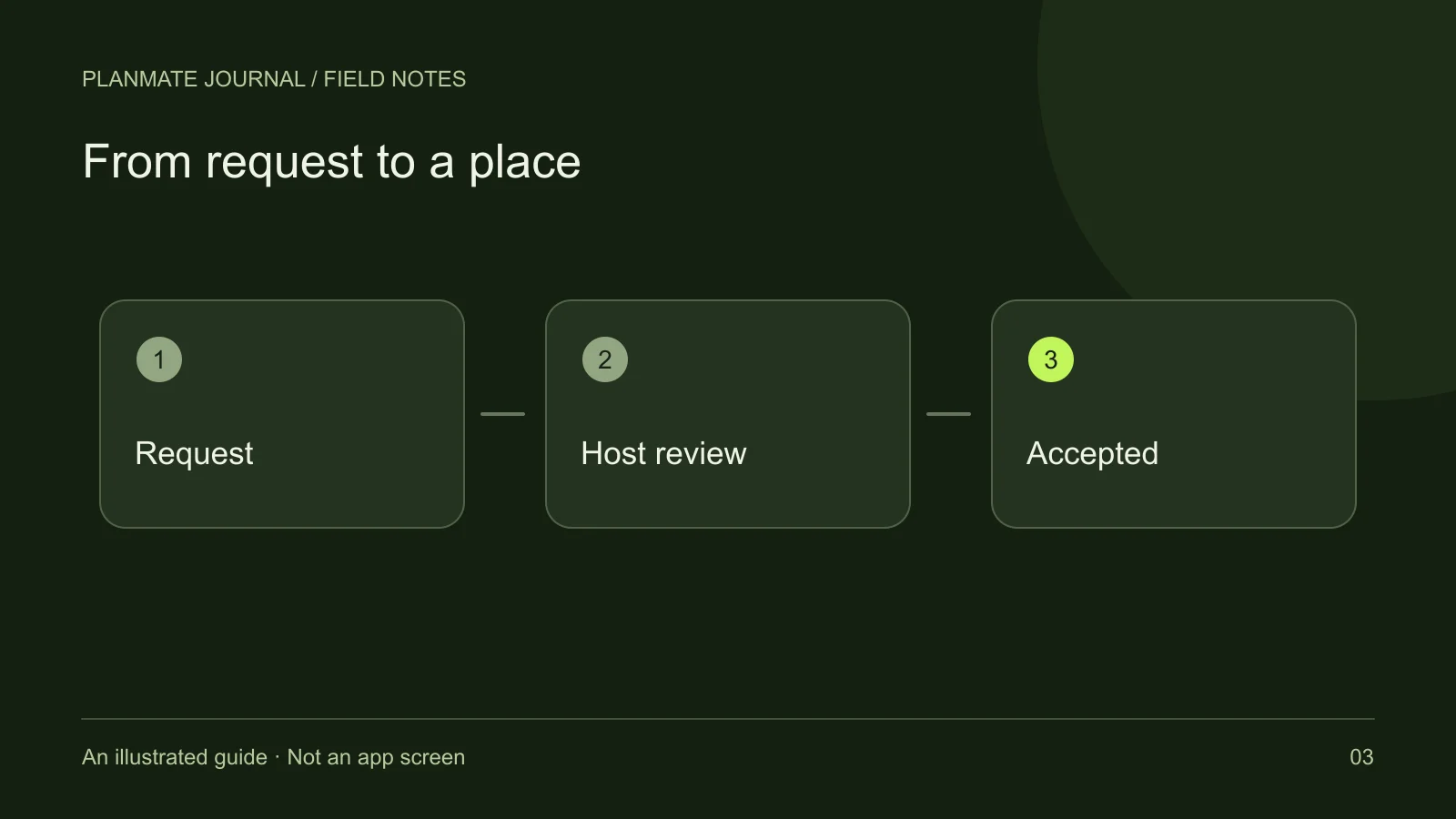
Joining lets you focus on understanding an existing plan and preparing to participate. It can be a useful first step if you are unfamiliar with the app or unsure how much organization you want to take on. Read the details carefully and check whether your request is actually accepted before treating yourself as confirmed.
Hosting gives you more control over the format but also creates responsibilities. You need a clear description, workable venue, realistic capacity, and a way to communicate changes. Choose it because you are willing to organize the activity, not because you assume hosting will automatically make introductions effortless.
PlanMate supports both discovery and public plan creation. If you want to join, begin with discovering activities. If you want to host, use creating your first plan to turn the idea into clear information for other people.
Make the invitation or decision specific
A vague intention can stay unresolved because it contains too many choices. Replace “We should do something sometime” with an activity, a date, a start time, an expected finish, and a meeting point. You can still keep the format relaxed while making the logistics precise.
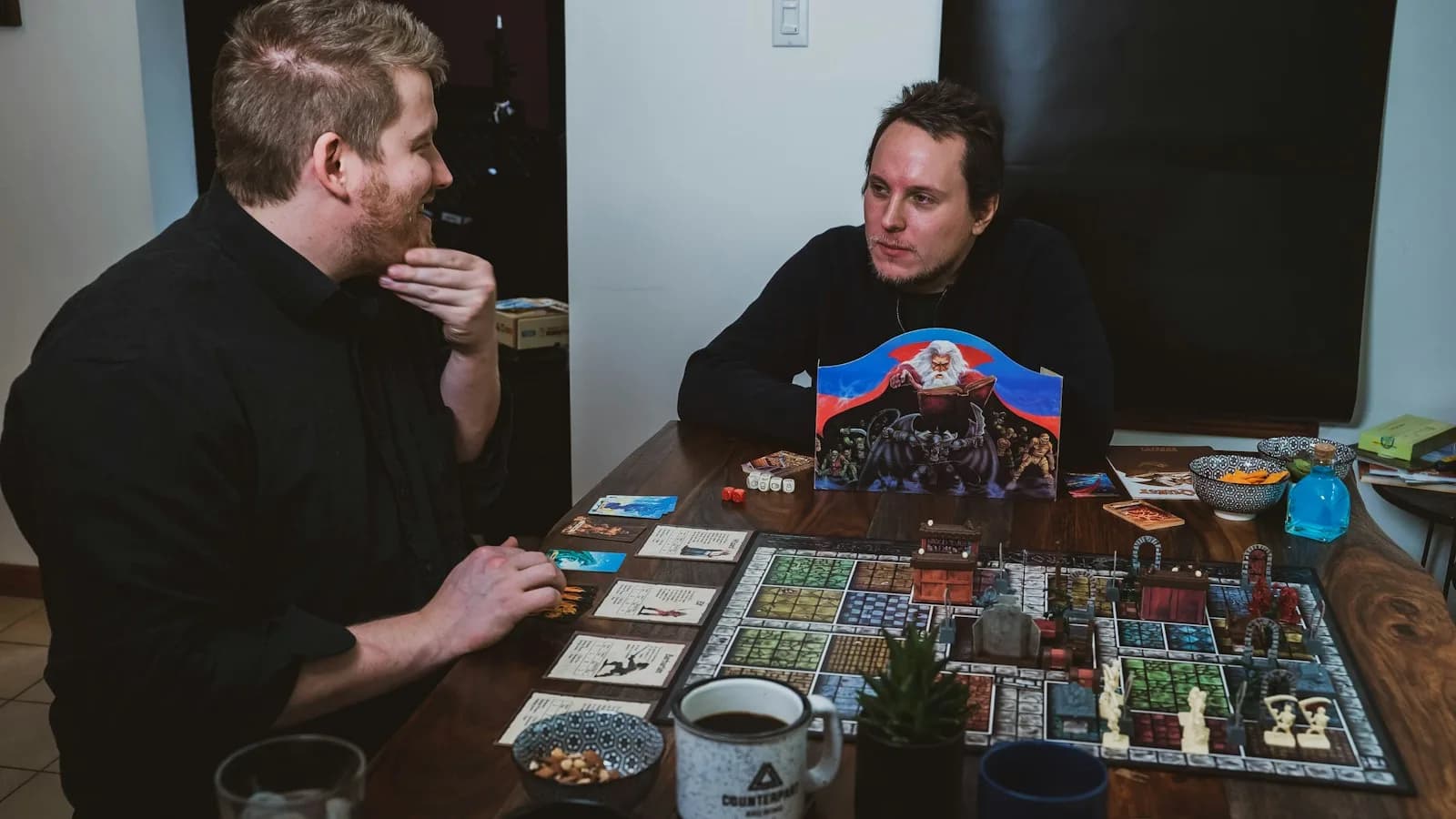
An illustrative first plan might be an hour of beginner board games at a suitable public venue, with clear information about who brings the games and any personal purchases. The example is not a live event or a venue recommendation. Its value is the small number of decisions participants need to make.
If you are joining, apply the same test to the listing. Can you explain the plan in one or two sentences? If not, ask a relevant question. Do not fill missing information with optimistic assumptions simply because the activity looks appealing.
Prepare the practical details before the day
Check the venue and route, the start and finish, what to bring, and the participation status. Decide how you will get home independently. If a trusted-person check-in helps you feel prepared, arrange it yourself rather than assuming the app automatically provides one.
Review the activity again shortly before departure. Hosts may update details or cancel. A saved card, an old message, or a notification you remember is not a substitute for the current plan. If a change no longer works for you, communicate and use the relevant controls.
If paid checkout is offered, read the displayed terms and check the final booking state. Do not assume a payment attempt means a confirmed place, and do not make separate transfers under pressure. This guide does not establish live availability of a particular payment service.
Give yourself an easy way to begin
Prepare a short introduction connected to the activity. “I am new to this game and wanted to try a beginner session” is enough. You do not need an entertaining biography or a list of achievements. A simple question about the activity can provide the next step in the conversation.
Expect a little uncertainty at the beginning. You may need to ask where to sit, how a rule works, or whether someone is part of the group. Those are ordinary coordination questions. They do not mean you have failed at being social.
If you are hosting, offer the same clarity to others. Greet arrivals, explain what happens next, and avoid surprise introductions that require people to reveal personal information. A shared task can give conversation somewhere natural to go.
Keep your boundaries intact during the activity
You can decline a photograph, a contact exchange, a personal question, or an invitation to continue elsewhere. Joining an activity does not commit you to every additional idea that appears during it. An agreed finish can help you leave without inventing an excuse.
Pay attention to whether the actual situation still matches the plan. If the venue, format, or behavior changes in a way that makes you uncomfortable, pause or leave. A verified badge and a confirmed pass do not require you to ignore your judgment.
Read meeting new people safely for a practical checklist. Preparation is not about expecting the worst from everyone. It is about retaining choices if the experience differs from what you understood.
Finish clearly and reflect on something useful
At the end, a simple thank-you is enough. If you enjoyed the activity, you can say so without promising future attendance. If you want to follow up, make the message brief and optional. Respect the other person's pace and level of interest.
Then evaluate the plan rather than grading your personality. Was the duration manageable? Was the venue easy to find? Did the activity give you something to do when conversation paused? Would a smaller group or a different time work better? Those questions produce information you can use.
Your first social activity can be successful because you made a clear decision, attended thoughtfully, and learned what you would like to try next. You do not need a dramatic outcome. Choose one realistic action now: save a suitable plan, send a request, or draft a simple activity you can confidently explain to another person.