15 Fun Group Activities to Plan With New Friends
Find approachable group activity ideas, from coffee and board games to sketch walks, with practical tips for budgets, group size and inclusion.
Put a game, a sketchbook or a short walking route between new acquaintances and they have something to talk about besides themselves. The best starting activity often has a modest cost, a clear finish and a way for quieter people to participate.
These fifteen ideas are examples to adapt, not live PlanMate listings. Check local conditions, venue permission and accessibility before publishing a plan, and explain the actual costs and preparation.
Low-pressure conversation starters
1. A short coffee-and-conversation meetup
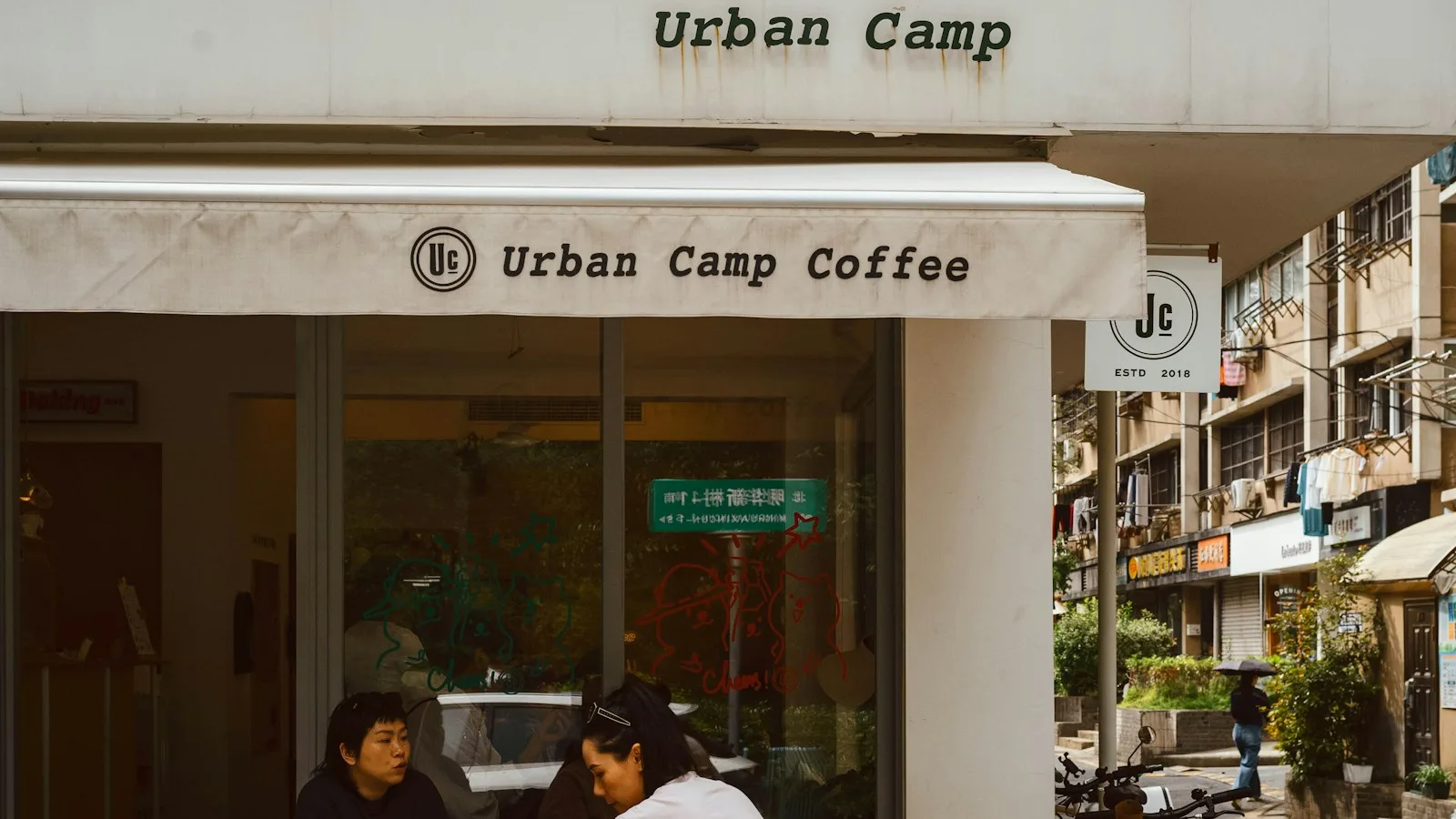
Choose a manageable duration and a venue where people can hear one another. Suggest an optional opening question, such as a hobby someone would like to try, rather than requiring a personal story. Make clear whether attendees purchase their own drinks. A defined finish helps first-time participants accept without committing their whole afternoon.
2. Bring-a-book conversation
Ask each person to bring a book they enjoyed or would like to read. Nobody needs to finish the same title beforehand, and sharing can remain optional. Keep the conversation open to different tastes instead of turning it into a knowledge contest. A library-adjacent café or another suitable public setting can provide a natural context.
3. A neighborhood photo walk
Pick a short public route and a simple theme, such as interesting doors, colors, or reflections. Phone cameras can be enough if the activity is designed for beginners. Explain that photographing strangers or private spaces requires care and consent. Finish with an optional discussion of one image rather than a competitive ranking.
4. A casual sketch session
Choose a visible meeting point and a scene that does not require people to move constantly. Suggest basic materials and welcome imperfect attempts. Participants can draw quietly, talk while they work, or share afterward. Do not make displaying a drawing mandatory; the activity should remain enjoyable for someone who wants to practice privately.
Activities with a shared task
5. Beginner-friendly board games
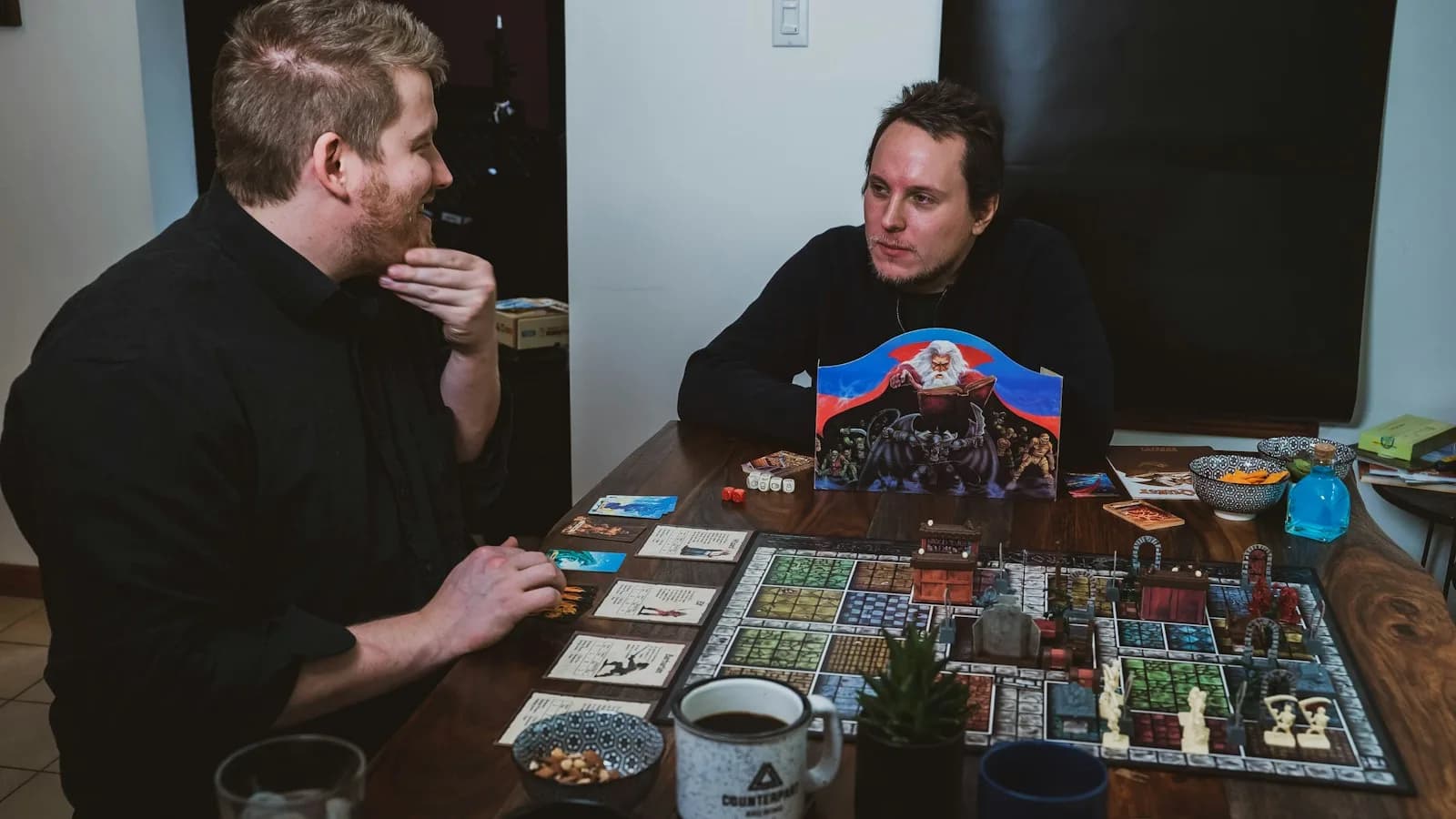
Select games that can be explained quickly and that suit the expected group size. Check whether the venue provides games or whether someone must bring them. Avoid making new participants sit through a long rules lecture before they can contribute. A short first game gives everyone a chance to learn the group's pace.
6. A simple picnic with individual food
Choose a permitted public area and explain seating, shade, toilets, and the weather backup. Asking people to bring their own food can reduce uncertainty about preferences and dietary needs. Sharing should be optional. Do not assume that a public park allows every kind of organized gathering or that a particular spot will be available.
7. A puzzle table
A jigsaw or collaborative word puzzle gives people something to focus on while conversation develops. Choose a task that can make satisfying progress within the planned time. Check the table space and avoid promising a finished result. The value is working alongside one another, not proving who contributes the most pieces.
8. A beginner sports practice
Keep the activity genuinely introductory: basic passing, a gentle rally, or learning a few rules. Confirm equipment, venue permission, and how participants can take breaks. Do not describe the activity as suitable for everyone without knowing their needs. People should be able to assess the demands before requesting a place.
9. A public art discussion
Choose an exhibition or public art setting that permits group visits and fits the budget. Check opening hours and any booking requirements before publishing. Use open questions such as “What caught your attention?” rather than testing art knowledge. Make it easy for someone to look quietly without being called on to speak.
Creative and interest-led gatherings
10. A playlist conversation
Invite people to suggest a song connected to a theme, such as a calm morning or a memorable journey. Choose a setting where any playback is permitted and does not disturb others. Keep personal stories optional, and avoid posting anyone's contribution under their name without asking. The focus can be discovery rather than agreement.
11. A small language-practice circle
State the intended level and whether the format is conversation rather than teaching. Offer simple prompts and allow people time to think. Do not advertise professional instruction unless that is genuinely what you are providing. A considerate format lets participants ask for repetition without feeling that they are slowing everyone down.
12. A craft afternoon
Pick one accessible project and explain the materials, tools, cost, and expected mess. Check that the venue permits the activity. If scissors, heat, adhesives, or other equipment are involved, be explicit about the practical requirements. A small finished object can be satisfying, but unfinished attempts should not be treated as failures.
13. A food-market browse
Plan a clear meeting point and a short route through a public market. Let participants choose their own purchases and avoid assuming everyone shares the same dietary preferences. Busy places can make a group hard to follow, so choose a regrouping point and a definite finish. Ask before photographing vendors or other visitors.
14. A hobby show-and-tell
Invite people to bring a small, non-sensitive example of something they enjoy: a sketchbook, a model, a photograph they own, or a favorite tool. Keep each introduction brief and optional. Do not require valuable items or personal records. This works best when curiosity matters more than performance or expertise.
15. A short walk followed by a café stop
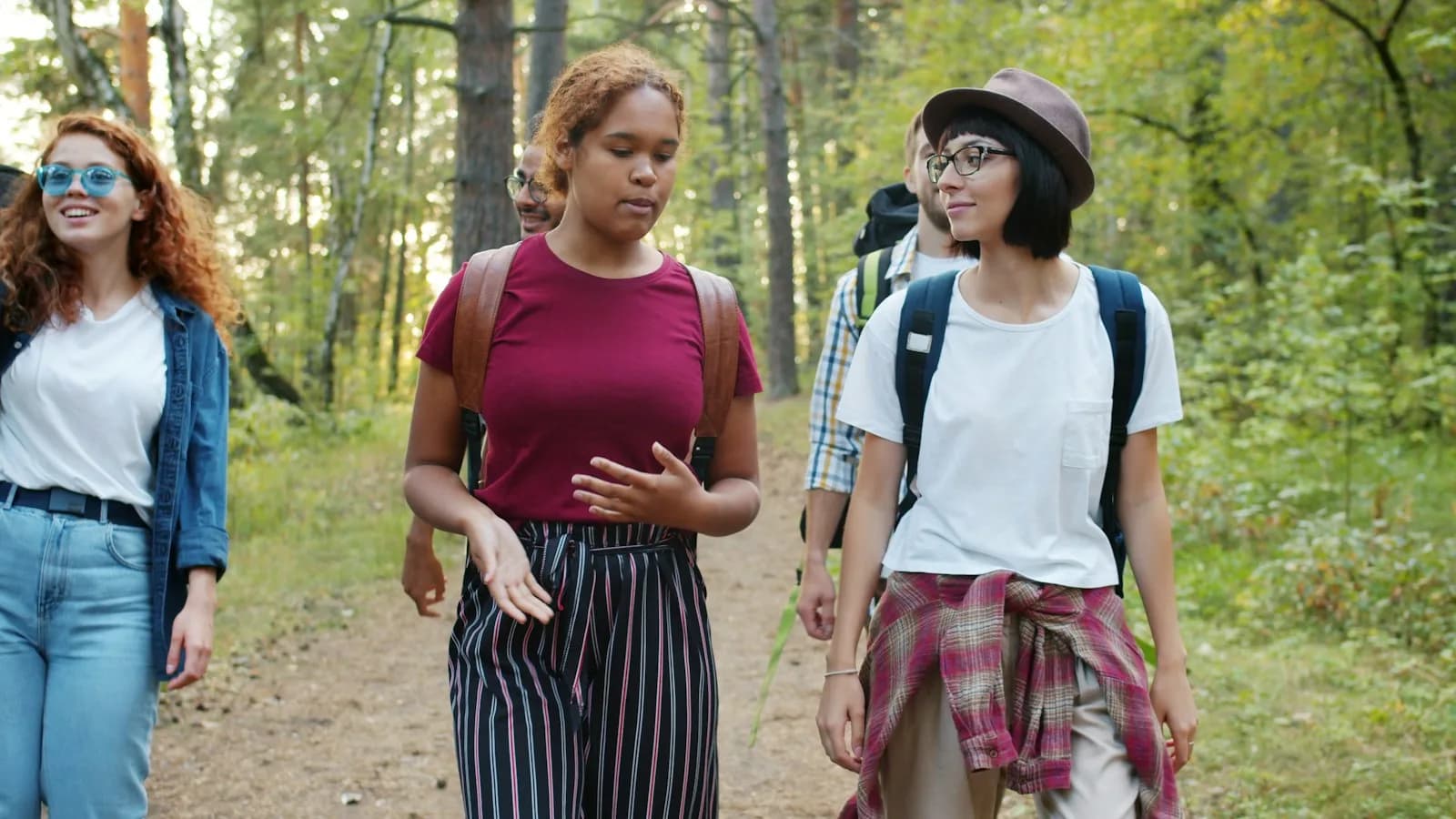
Combine a simple route with an optional place to sit afterward. Publish the walking distance or expected duration and make clear that the café stop is optional. Consider the route surface and available breaks. Someone should be able to enjoy the walk and leave without feeling they have declined the group's main event.
Choose the idea that fits your actual group
Compare your shortlist using four questions: Can people understand it quickly? Can they prepare without unusual expense? Can they arrive and leave independently? Can a quieter person participate without being put on the spot? The answers help you choose a format rather than simply picking the most impressive title.
PlanMate's categories, descriptions, timing, venue, and capacity fields can help communicate the chosen idea. They do not reserve a venue or verify that an activity is appropriate for every person. Check the arrangements yourself and write down what participants need to know.
Next, use the first-plan guide to create a clear listing. If you are more interested in attending than hosting, read how to discover activities. A modest activity with thoughtful instructions can be a strong beginning without promising instant friendships or a perfect group dynamic.