How to Make New Friends Through Shared Interests
Use specific interests, low-pressure invitations and thoughtful follow-ups to build connections without turning every meetup into a popularity test.

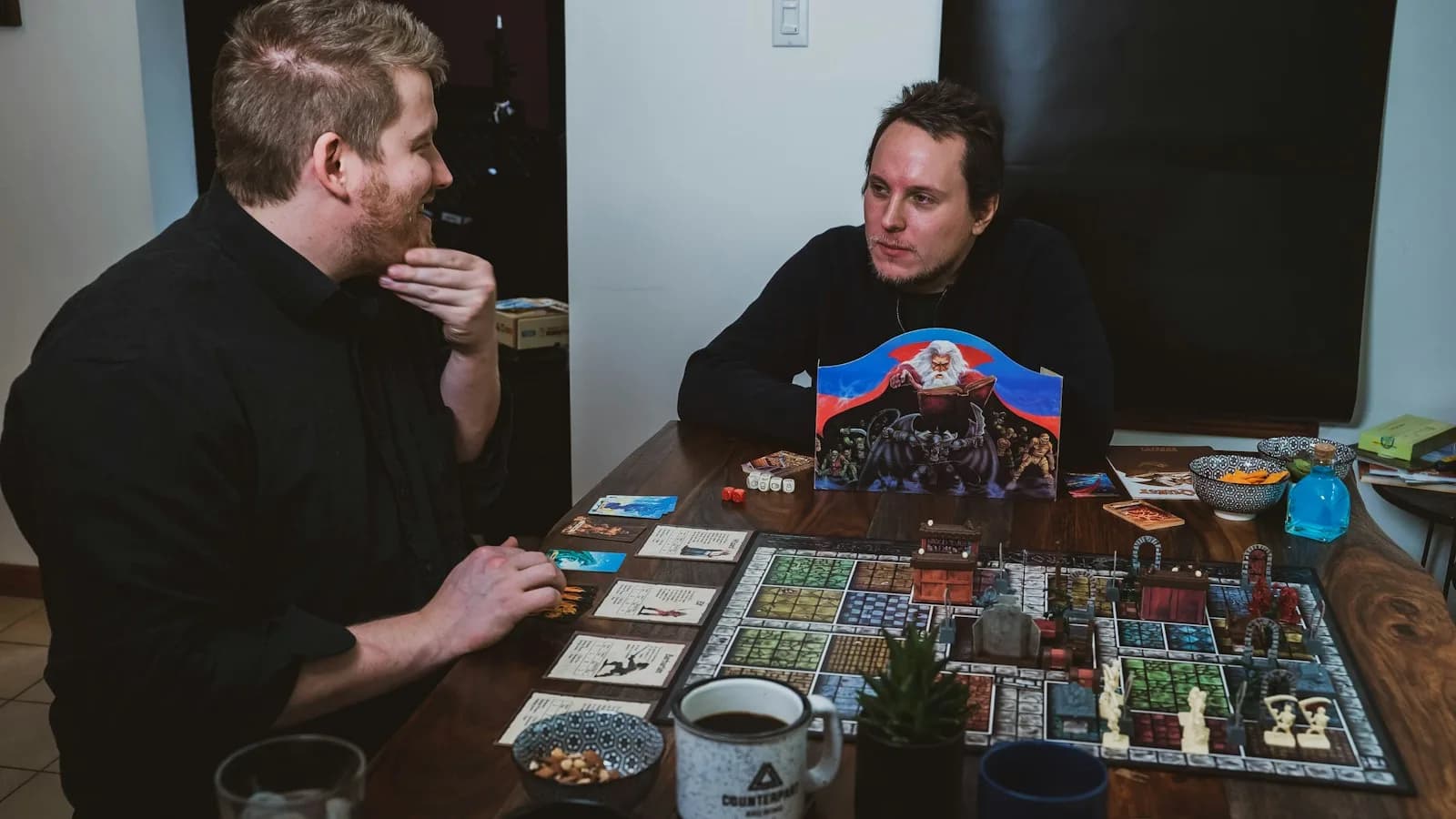
“How did you learn that move?” is an easier opening when there is a game in front of you. Shared interests give conversation a subject, so a first meeting does not have to begin with a personal interview.
A common hobby is a starting point, not a promise of friendship. Choose something you enjoy, make room for different personalities, and let any follow-up depend on mutual interest.
Make your interests specific enough to act on
“I like music” gives a broad topic, while “I would enjoy a relaxed conversation about live acoustic performances” suggests an activity. You do not need to narrow every interest permanently. You only need enough detail to choose what you might actually do with another person this week.
Try connecting an interest to a format and a level of commitment. Reading can become a bring-a-book café chat. Photography can become a short public walk. Sports can become a beginner practice rather than a competitive match. The format turns a general preference into a manageable invitation.
On your PlanMate profile, use your bio and interests to reflect those current possibilities. Avoid filling the profile with activities you feel you should enjoy. An honest beginner description can be more useful than an impressive list that makes it hard to find a realistic starting point.
Choose activities you would enjoy without a guaranteed outcome
If you would only consider the outing worthwhile if you make a close friend, the first meeting may carry too much pressure. Choose something that has value on its own: learning a game, spending time outdoors, trying a creative task, or having a pleasant conversation.
That approach leaves space for ordinary outcomes. You might enjoy the activity but not want to meet the same people again. You might have a good conversation and follow up later. You might decide that the format was not right for you. None of those results means the attempt was pointless.
When browsing PlanMate, read the practical details alongside the appealing title. A shared interest does not overcome an unsuitable time, inaccessible venue, or activity level that does not fit your experience. The discovery guide can help you shortlist realistic options.
Introduce yourself through the activity
A simple introduction gives people something to respond to without demanding a deep personal exchange. “I am new to this game, but I like cooperative puzzles” explains your starting point. “I brought a book I have been meaning to finish” can open a conversation without requiring a polished opinion.
Ask questions that invite detail without putting someone on the spot. “What made you try this hobby?” is often easier than “Tell me everything about yourself.” If someone answers briefly, let the activity carry the interaction rather than filling every pause with another question.
Listen for the information people choose to share. Do not use a public profile as a script for interrogating them about every listed interest. A person can enjoy a hobby without wanting to explain their whole history with it to a new group.
Make participation comfortable for different personalities
Some people talk while doing an activity; others become more conversational after they understand the task. Avoid treating quietness as rejection. Offer a clear way to participate and let the person decide how much to say.
If you are hosting, make introductions optional and avoid surprise performances. A short name-and-interest round can work, but people should be able to pass. Shared tasks provide natural opportunities for conversation without making each person responsible for entertaining the group.
If you are attending, contribute in a way that fits the format. Helping explain a rule, asking a thoughtful question, or making room for someone at the table can be as useful as telling a lively story. Connection does not require becoming the most visible person in the room.
Follow up with a small, optional invitation
After a pleasant activity, a brief message can acknowledge the experience without creating an obligation. “I enjoyed the game session. I would be interested in another beginner round sometime” is clear and low-pressure. Let the other person decide whether to continue.
If you suggest another plan, make it concrete enough to evaluate. Offer an activity and a general time rather than an open-ended demand to make plans immediately. Do not interpret a slow reply as a complete statement about the relationship; people have different schedules and levels of availability.
PlanMate's following and messaging features can support continued contact, but a follow is not a friendship agreement. Respect a decline or lack of response. Repeated invitations after a clear no can turn a positive first meeting into an uncomfortable interaction.
Build familiarity without inventing automatic recurrence
Doing similar activities over time can give you more opportunities to talk, but each new plan still needs clear details and agreement. Do not assume that people who attended once are committed to every future occasion. Invite them again without making attendance a test of loyalty.
If you host, keep the useful parts consistent: a recognizable format, clear start and finish, and considerate communication. You can vary the activity gradually rather than reinventing everything. A familiar structure can make it easier for someone to decide whether to return.
This is a planning habit, not a claim that PlanMate automatically creates recurring events. Create and communicate each actual activity through the supported tools. For ideas that work well in small groups, see 15 group activities.
Keep boundaries as part of the connection
Friendship is not measured by how quickly you share a number, personal story, photograph, or private address. You can enjoy someone's company and still keep information to yourself. Respecting those choices makes future contact more comfortable for both people.
Choose first meetings and follow-ups that fit your practical safety preferences. Read meeting new people safely if you want a preparation checklist. An attractive profile or verified badge is context, not a reason to abandon boundaries.
Your next step can be small: refine one interest on your profile, choose one realistic activity, or send one thoughtful follow-up. A sustainable social life is not built by forcing every encounter to become important. It is built by making room for shared experiences and letting mutual interest determine what happens next.