How to Build a Safe and Welcoming Local Community
Create a more considerate local group through specific expectations, accessible planning, respectful moderation and sustainable hosting habits.
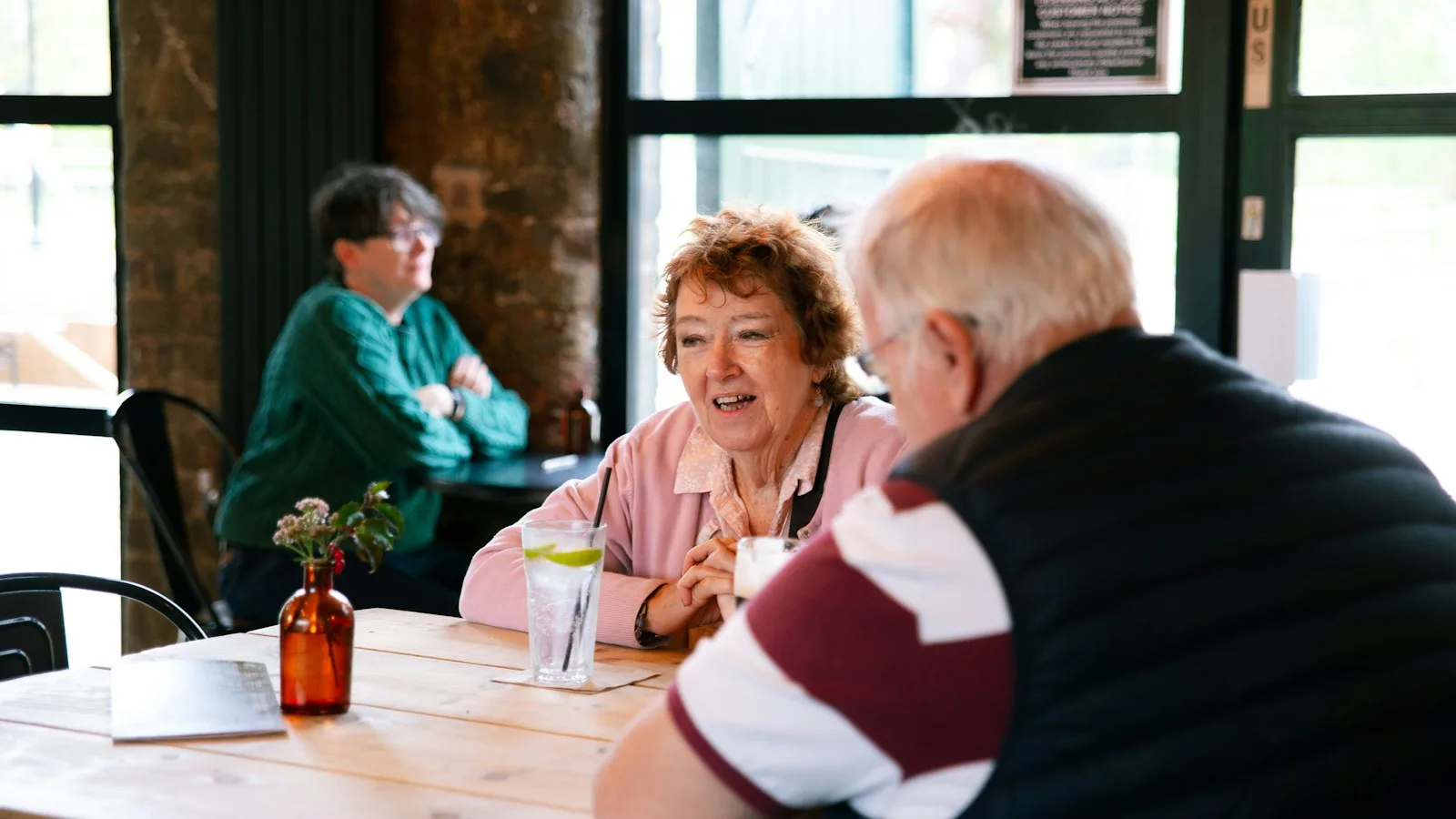
A newcomer arrives while regulars are already talking. There is no obvious seat, and nobody explains what happens next. A friendly group name will not resolve that moment; a welcome, a space at the table and a brief explanation will.
Building a community means noticing these ordinary barriers over several gatherings. This guide focuses on clear expectations, practical accessibility information and responses to behavior that makes participation harder.
Define what the group is for
Start with a shared purpose that people can understand. A beginner game group, a relaxed walking circle, and a creative practice meetup serve different interests. If the purpose is too broad, every disagreement about format can become a disagreement about what the community itself means.
Keep the invitation specific enough to guide behavior. Explain whether the gathering is conversational, skill-focused, active, quiet, or a mixture. People should be able to choose a suitable activity without having to guess whether they will be expected to perform, compete, or disclose personal experiences.
Avoid promising that everyone will become friends immediately. A welcoming community can include acquaintances, occasional participants, and people who try one activity and do not return. Making room for those different levels of involvement reduces unnecessary social pressure.
Make expectations concrete
“Be respectful” is a useful intention, but examples make it easier to apply. Ask before photographing people. Accept a declined invitation. Do not pressure someone to share a phone number. Keep sales pitches out of an activity that was not advertised as a marketplace. These are behaviors participants can recognize.
Choose a small set of expectations that fit the activity rather than publishing a long list nobody can remember. Explain how a person can raise a concern and who is responsible for responding during the meetup. Do not imply that every uncomfortable situation will be automatically detected by an app.
PlanMate's community guidelines provide the platform context. Your activity description can add relevant practical expectations, but it should not contradict the platform's rules or invent technical restrictions that the product does not enforce.
Design the first five minutes for newcomers
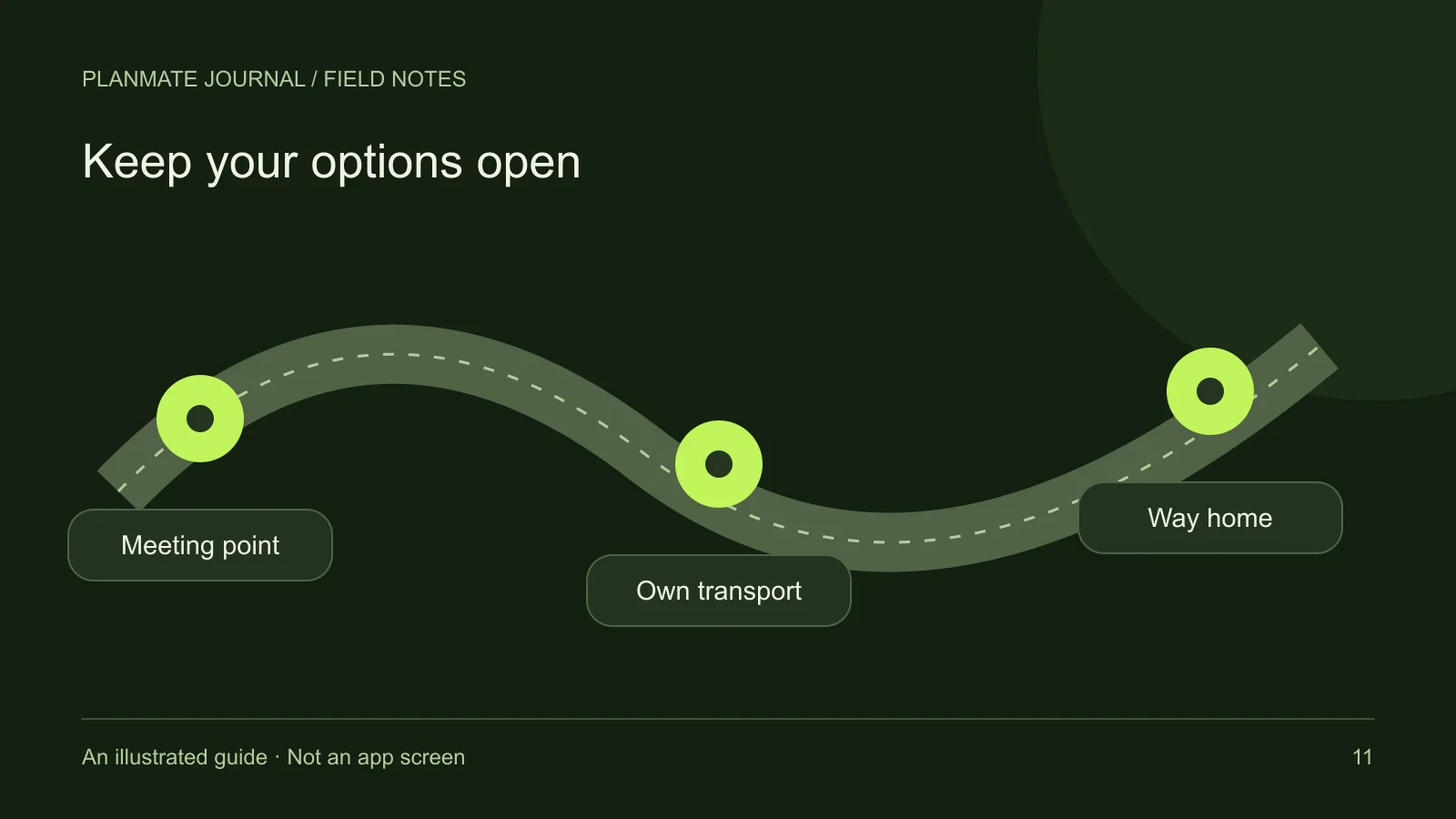
Regular participants know where to stand, which table to use, and how the conversation usually starts. A new person does not. Give a recognizable meeting point and a simple welcome so they do not have to interrupt a closed circle to find out whether they are in the right place.
Introduce the activity before introducing every person's history. A brief explanation of what happens next can reduce uncertainty more effectively than a long round of personal stories. Let people share a name or interest without being required to explain why they came alone.
Watch for small barriers. An unexplained game rule, an inside joke that dominates the conversation, or a seating arrangement with no obvious space can make joining difficult. Address the situation practically rather than telling newcomers they should simply be more confident.
Treat accessibility as useful information
Different participants may need different details to decide whether an activity works for them. Describe the route surface, seating, noise level, expected standing time, or available breaks where relevant. Do not use “accessible to everyone” as a substitute for information you have not checked.
Offer a way to ask questions without requiring someone to disclose a diagnosis or personal history. “There are steps at the entrance; let me know if you need more venue information before joining” is more useful than making assumptions about what a person can do.
Consider budget and time as participation constraints too. A free-to-join plan can still involve travel or purchases. Explain those expectations and avoid changing the format into a more expensive activity after people arrive. Clear costs help people choose without embarrassment.
Moderate behavior, not popularity
When a concern arises, focus on what happened rather than who has been in the group longest or who is most socially influential. A regular participant should not receive permission to ignore a boundary that would matter if a newcomer crossed it.
Intervene with specific language where appropriate: “Please ask before taking another photo” or “She has declined; we are moving on.” A calm, direct response can be more useful than a vague appeal to harmony that leaves the behavior unchanged.
If the issue belongs in the platform's reporting process, use it. PlanMate includes reporting and blocking controls, and hosts have participant-management tools. Those tools do not guarantee an immediate outcome or replace local help in an urgent situation. Read privacy, blocking, and reporting for the distinction.
Keep private information out of community administration
Do not collect personal documents, addresses, or phone numbers merely because you are organizing an informal activity. Ask only for information needed to coordinate the actual plan. A participant's willingness to protect their privacy should not be treated as evidence that they are not committed to the group.
Be careful with group photographs and recaps. Ask whether people want to be included and where the material may be shared. Attendance does not automatically imply permission to publish a person's image or identify them in a public post.
Treat a verification badge according to its actual scope. PlanMate's selfie review is not a background check or a guarantee of behavior. Community expectations still need to be communicated and applied regardless of account status.
Make hosting sustainable
Choose a frequency and format you can manage without resentment. You do not need to respond instantly to every message or create a new activity every week. Clear information and reasonable response expectations are more sustainable than promising constant availability.
If you invite someone to help, define the task: greeting arrivals, explaining a game, or checking the venue arrangement. Do not assume that attending several times means they have volunteered to organize. Shared responsibility works best when it is explicit and optional.
After an activity, ask for one or two practical improvements. Apply what is useful and explain significant changes in the next invitation. Each new plan still needs its own details and participation decisions; familiarity does not mean everyone has agreed to every future event.
For a concrete planning framework, read organizing a group meetup. A welcoming community is not a claim you make once. It is the result of clear invitations, considerate responses, and a willingness to improve the actual experience.